WhatsApp Chatbot for Aesthetic Clinics: Capture Enquiries 24/7
How a WhatsApp chatbot captures clinic enquiries around the clock: what it does, how it works, real examples, UK consent rules, and where it fits your systems.
TL;DR
- WhatsApp is where most UK patients already message, so for an aesthetic clinic it’s the real front door for enquiries.
- A WhatsApp chatbot answers the moment a message lands, qualifies the treatment, captures photos where relevant and books a callback, 24 hours a day.
- Speed is the whole game: enquiries contacted within minutes are far more likely to convert than ones left until the morning.
- The chatbot handles capture and qualifying, then hands clinical questions and the actual booking to a human. It does not replace your receptionist.
- Get consent before you market by WhatsApp, and connect the chatbot to your follow-up so warm leads don’t go cold.
A patient sees your clinic on Instagram at 9pm, taps through, and sends a WhatsApp message asking about lip filler. If nobody replies until 9am, that enquiry has had eleven hours to message three other clinics. A WhatsApp chatbot closes that gap. It picks up the conversation in seconds, answers the front-door questions, works out what treatment they want, and lines up a callback, all without anyone touching a phone. This is a practical guide to how that works for an owner-led clinic, what to expect, and where it fits.
Why WhatsApp Is the New Front Door for Aesthetic Clinics
For owner-led clinics, the inbox has quietly become the front desk. WhatsApp is used by 90% of adults, which makes it the single most widely used messaging app in the country and the place patients reach for first. Statista’s data on the most-used messenger tells the same story.
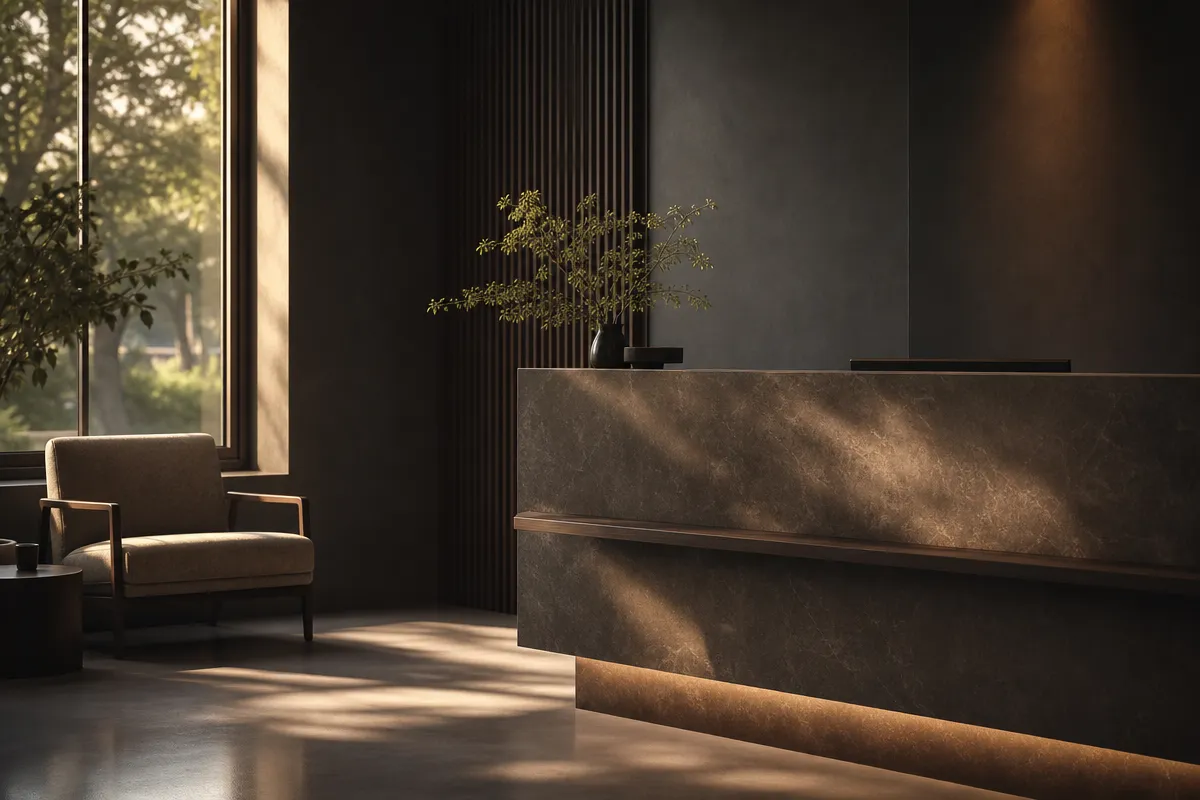
People do not just use it, they prefer it for business. Meta’s own research found 61% of UK people message businesses, and over half expect a faster reply from messaging than from a phone call or email. In aesthetics that matters even more, because patients want to send a photo of the area they’re worried about and ask the price before they ever commit to a call.
This is happening in a big and competitive market. The UK non-invasive aesthetics sector sits at around a £3.2bn market and keeps growing each year. When demand is high and clinics are everywhere, the one that answers first usually wins the booking.
What Is a WhatsApp Chatbot for a Clinic?
A WhatsApp chatbot is software that replies to your clinic’s WhatsApp messages automatically, holds a natural conversation, and moves the enquiry towards a booking. It is not a clunky menu of press-1-for-this options. A good one reads the message, answers common questions, asks a couple of qualifying questions, and either books a callback or hands the conversation to your team with the full history attached.
For an aesthetic clinic, the chatbot’s job is narrow and useful. It captures the enquiry, gathers basic information, supports photo upload where relevant, and moves the patient towards a callback. It is the capture layer that sits in front of your booking software, not a replacement for it. Think of it as the WhatsApp chatbot version of a calm receptionist who never goes home.
Why Does Speed Matter So Much for WhatsApp Enquiries?
Speed matters because the value of an enquiry collapses within minutes, not hours. The classic study on this, run by MIT and InsideSales, found the odds of even reaching a lead drop by 100 times when you wait 30 minutes instead of 5. Harvard Business Review research on the same problem found firms that respond within an hour are nearly 7 times more likely to qualify the lead than those who wait longer.
Messages also get read in a way email never does. UK messaging data shows texts are read within minutes and at far higher rates than email. So the format your patient already trusts, answered inside the five-minute window, is about as strong as enquiry capture gets. A chatbot is the only realistic way to hit that window every single time, including evenings and weekends when treatment-room hours mean nobody is free to reply.
How Does a WhatsApp Chatbot Actually Work?
A WhatsApp chatbot works as a short, friendly conversation that runs on autopilot until a human is genuinely needed. Here is the typical flow for a clinic.
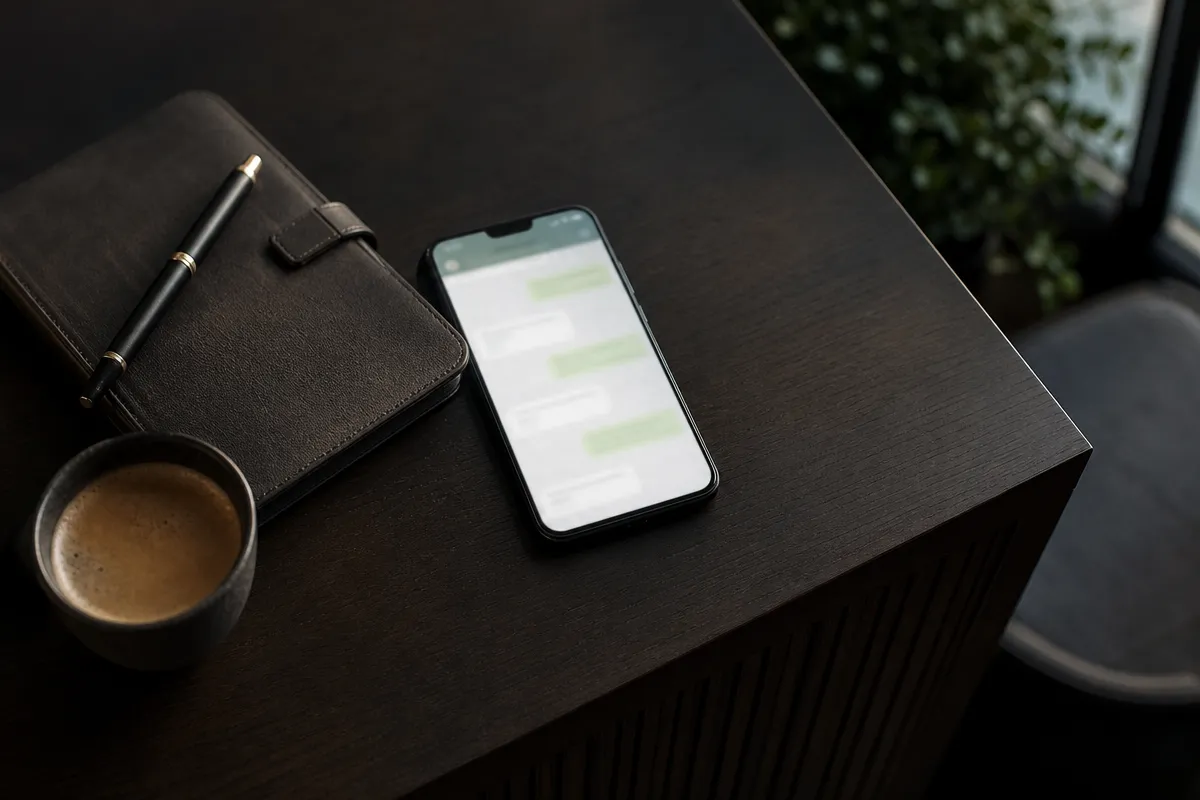
- Instant greeting. The moment a new patient messages, they get a warm first reply. WhatsApp Business can send a greeting message automatically to anyone who messages for the first time, so nobody is met with silence.
- After-hours cover. Outside opening hours, an away message keeps the conversation alive instead of letting it stall until morning. A trained chatbot goes further and actually answers.
- Qualify the treatment. It asks a couple of simple questions: which treatment, roughly when they want it, and any basic details that help your team prepare.
- Capture a photo. For many enquiries, the patient can upload a photo of the area so your team has context before the callback.
- Book the next step. It proposes callback times and moves the patient towards a booking conversation with a human.
- Hand over cleanly. Anything clinical or sensitive is passed to your team with the full chat history, so the patient never has to repeat themselves.
The native WhatsApp Business features cover the basics for free. An AI-trained chatbot is what turns those basics into a real conversation that qualifies and books.
What Should a Clinic WhatsApp Chatbot Do, and Not Do?
A clinic chatbot should capture and qualify, and it should never pretend to be a clinician. This line is the most important thing to get right. The chatbot handles the logistics: first response, common questions, treatment qualifying, photo capture and callback booking. It hands anything clinical, anything about suitability, dosing or aftercare, straight to a human.
I’m firm on this because trust is everything in aesthetics. The chatbot captures the enquiry and qualifies it, then a human receptionist has the warm closing conversation and books the patient into your existing clinic software. It works alongside systems like Pabau, Fresha or Cliniko rather than writing into them, which keeps your records and diary clean. Used this way, automation does not replace the relationship. It handles the logistics so your team can be properly present when it matters.
WhatsApp Chatbot Examples for an Aesthetic Clinic
The clearest way to see the value is in real situations. Here are three WhatsApp chatbot examples that come up constantly in clinics.
The 9pm enquiry. A patient messages after a long shift asking about a HydraFacial price. The chatbot answers, asks what they’re hoping to improve, and books a callback for 10am the next day. By morning your team has a warm, qualified booking waiting, not a cold message to chase.
The photo triage. Someone asks about pigmentation and is invited to send a photo of the area. The image and a couple of notes land with your team before the call, so the consultation conversation starts halfway done.
The price-shopper. A patient asks “how much is Botox” and would normally vanish if ignored. The chatbot answers honestly, qualifies what they actually want, and keeps them in the conversation long enough for a human to take over.
In my own work this is not theory. When we helped a clinic in Derbyshire that had moved location and lost most of its local visibility, adding WhatsApp support alongside missed-call text-back and an AI receptionist meant enquiries stopped going cold. The clinic went from almost no local visibility to around a 30% increase in being seen within three months, with far better capture because nothing was being left until the morning.
Is WhatsApp Marketing Legal in the UK?
Replying to a patient who messaged you first is fine, but sending marketing by WhatsApp needs consent. Under the UK’s PECR rules, the regulator is clear that marketing by text or instant message requires prior consent that is freely given, specific and informed. In plain terms: a patient answering an enquiry is one thing, but adding them to a promotional broadcast list is another, and you need their clear opt-in for the second.
The practical fix is simple. Capture consent at the point of enquiry, keep a record of it, and make opting out easy. A well-built chatbot can handle the opt-in cleanly as part of the conversation, so you stay compliant without slowing anything down. This is not legal advice, so check your own setup against the ICO guidance, but the consent rule is the one most clinics overlook.
Where Does the WhatsApp Chatbot Fit in Your Clinic Systems?
The chatbot is one piece of capture, and it only pays off when it connects to the rest. On its own it answers messages. Wired into your wider system, it becomes the start of a tracked journey from enquiry to booked treatment.
This is securing every enquiry: every channel, phone, DMs, web forms and WhatsApp, pulled into one place so nothing is missed. A chatbot sits alongside whatever covers the phones, and feeds into automated follow-up so an enquiry that does not book right away still gets nurtured instead of forgotten.
It is worth fixing now because patient behaviour is shifting fast. More people are getting answers before they ever reach a website, with Google’s AI Overviews appearing on a rising share of searches in 2025 (industry data). When fewer patients click through, the few who do message you directly matter more than ever, and they need an instant reply.
The same logic applies to the back end. The NHS has long pointed out the cost of missed appointments and the role text reminders play in cutting them. A chatbot that confirms, reminds and rebooks over WhatsApp does the same job for a private clinic.
The honest truth is that most clinics do not have a lead problem. They have a leak problem, and WhatsApp is one of the easiest leaks to plug.
Want me to look at yours?
Thirty minutes with the person who would build it. Tell me what you do and where the work comes from now, and I will tell you straight whether a rebuild would change anything. If it would not, I will say so.
Book a callNot ready for a call? Take the slow road. One short email every Tuesday from Surinder: one thing to check on your own website, phone line or reviews. Five minutes, no ads.