The £5,000 Treatment Room That Grew Our Client List Faster Than Any Ad
How turning a clinical treatment room into a themed experience turned every client into a referral engine. The £5,000 decision that grew our client list faster than advertising ever did.
TL;DR
- Most clinics treat the treatment room as a functional space. That is a wasted asset.
- We spent about £5,000 turning cold facial rooms into themed experiences: scenic murals, chandeliers, star ceilings, water features and florals.
- Every client who had a treatment in one of those rooms referred, on average, three to five other people.
- It grew our client lists across several clinics faster than any advertising we ran.
- You cannot copy the exact rooms, but you can copy the principle: give people one thing worth talking about, then make it easy to talk about.
The cheapest marketing I ever did was not marketing. It was a room.
The room nobody remembered
Walk into most aesthetic clinics and the treatment room is clean, white, well-lit and completely forgettable. There is nothing wrong with it. That is the problem. A client comes in, has a genuinely good treatment, and leaves. Then they tell nobody, because there is nothing to tell. “I had a nice facial” is not a story. It does not travel.
I ran nine clinics, and for years I poured money into advertising to bring new people in, while the rooms those people sat in did no marketing at all. It took me too long to see that the room itself was the most underused asset in the building.
What we actually built
So we picked one room in each clinic and turned it into an experience.
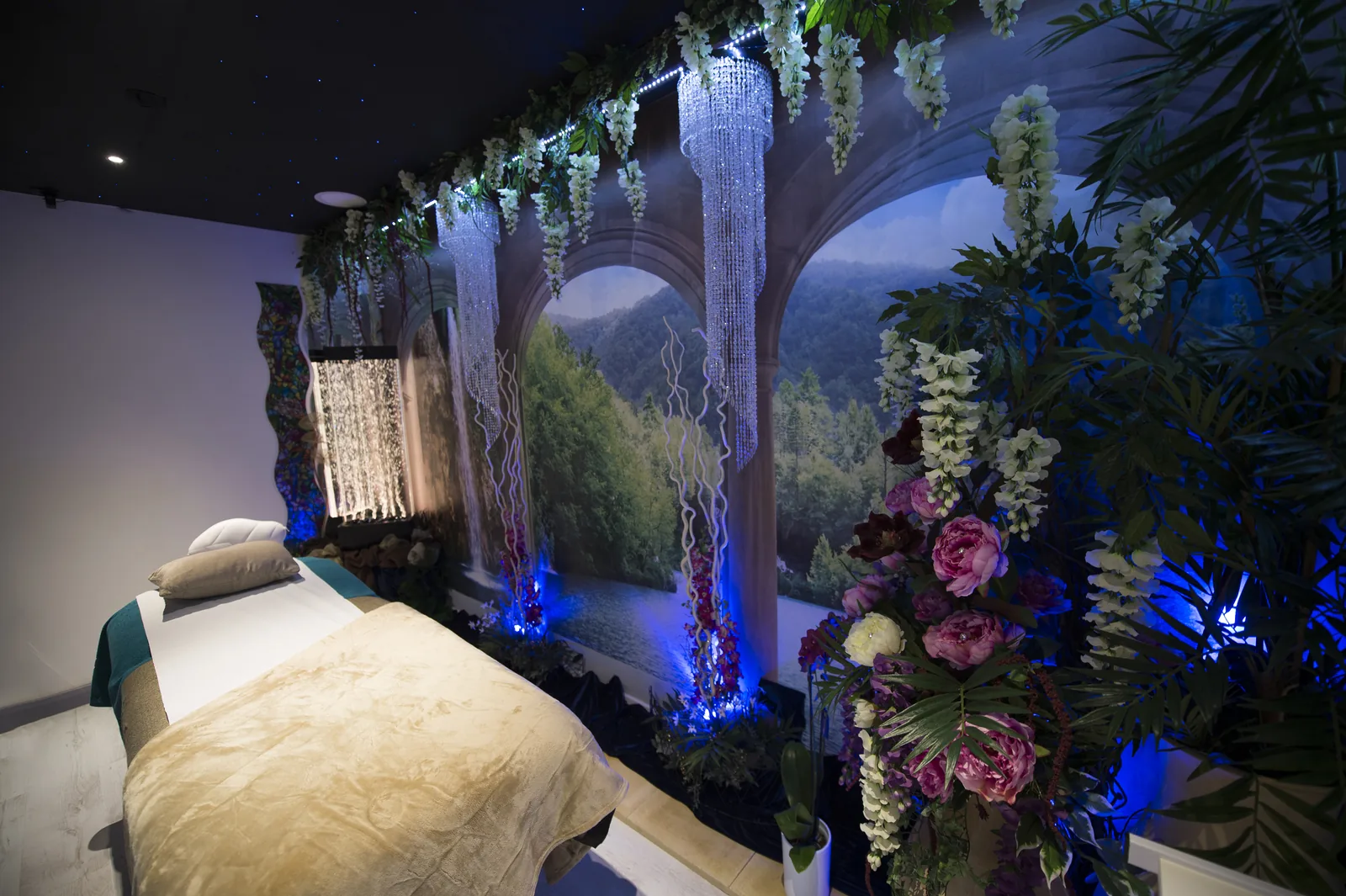
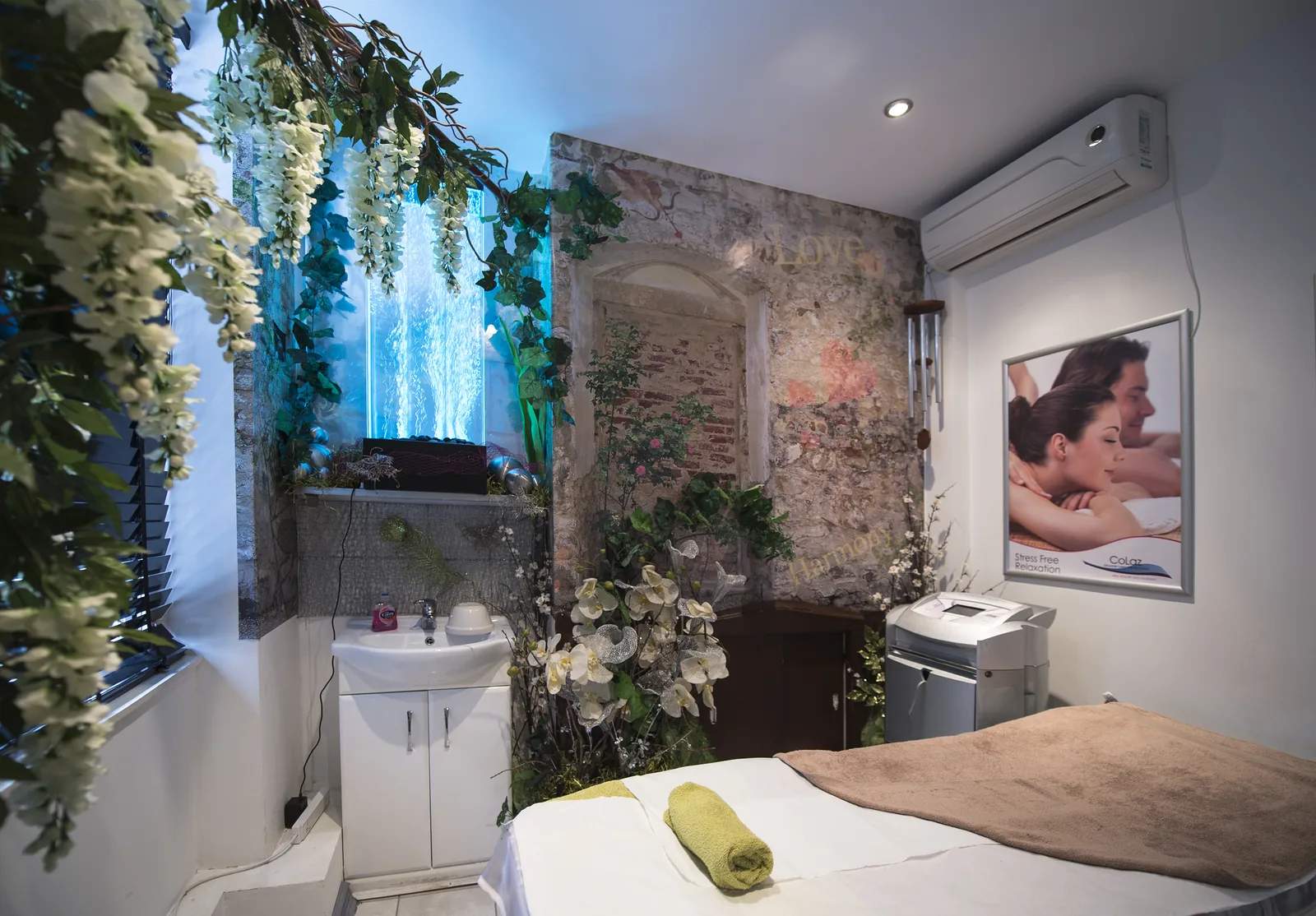
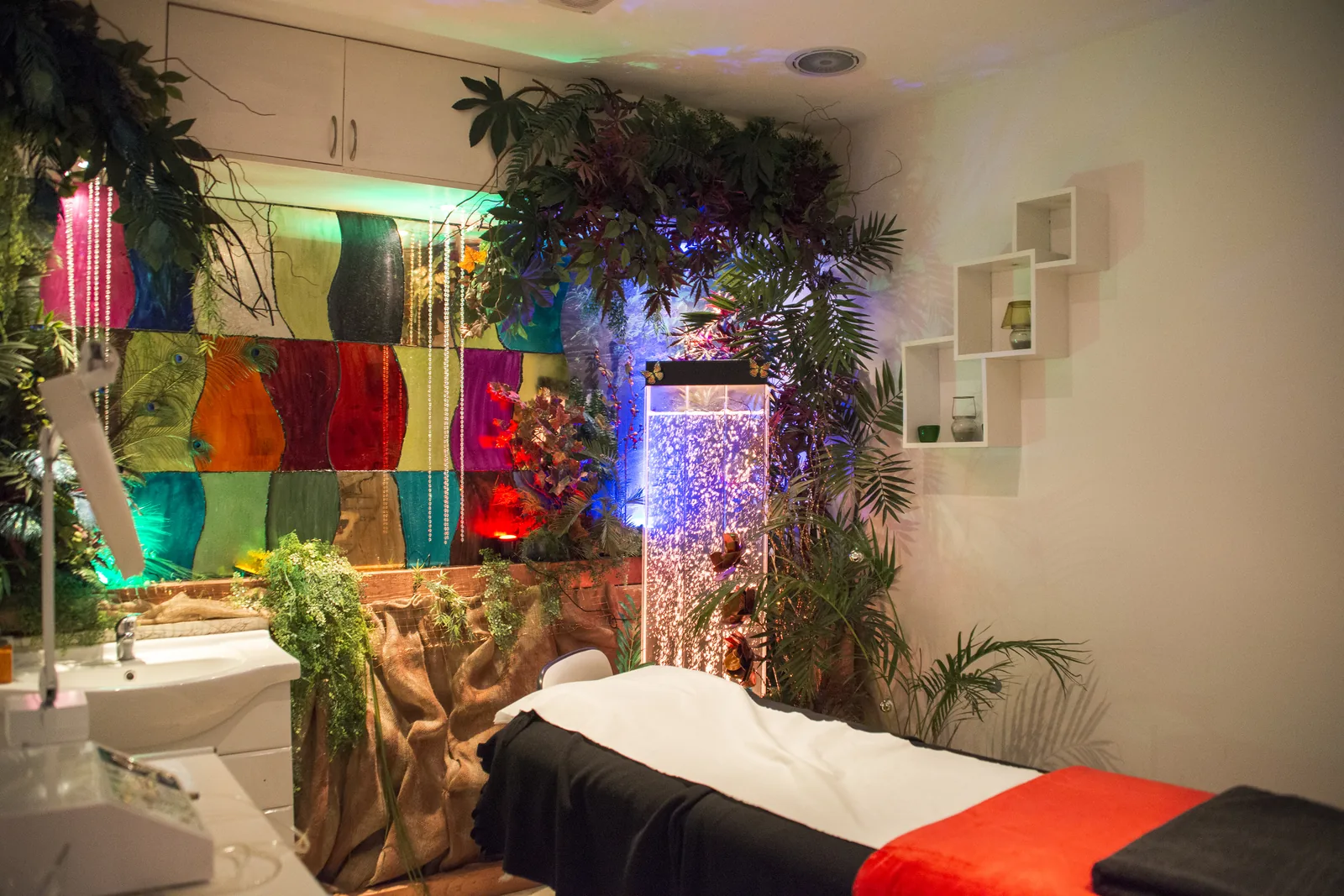
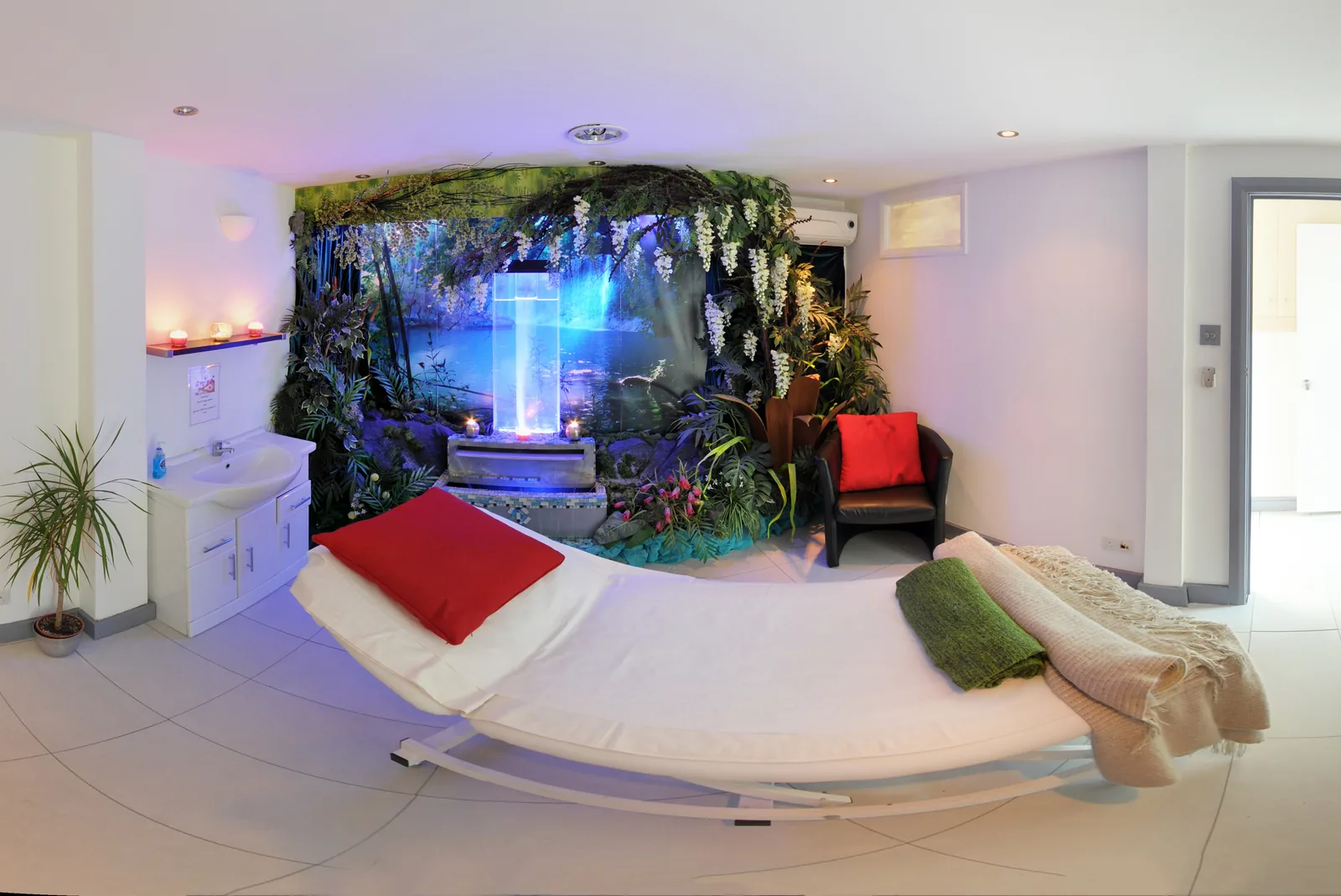
A full scenic mural covering the walls: a lake, mountains, an archway you could almost walk into. Crystal chandeliers. A fibre-optic star ceiling. A water feature. Real-looking florals, layered, everywhere. Soft, coloured mood lighting instead of a clinical strip light. It cost us around £5,000 a room.
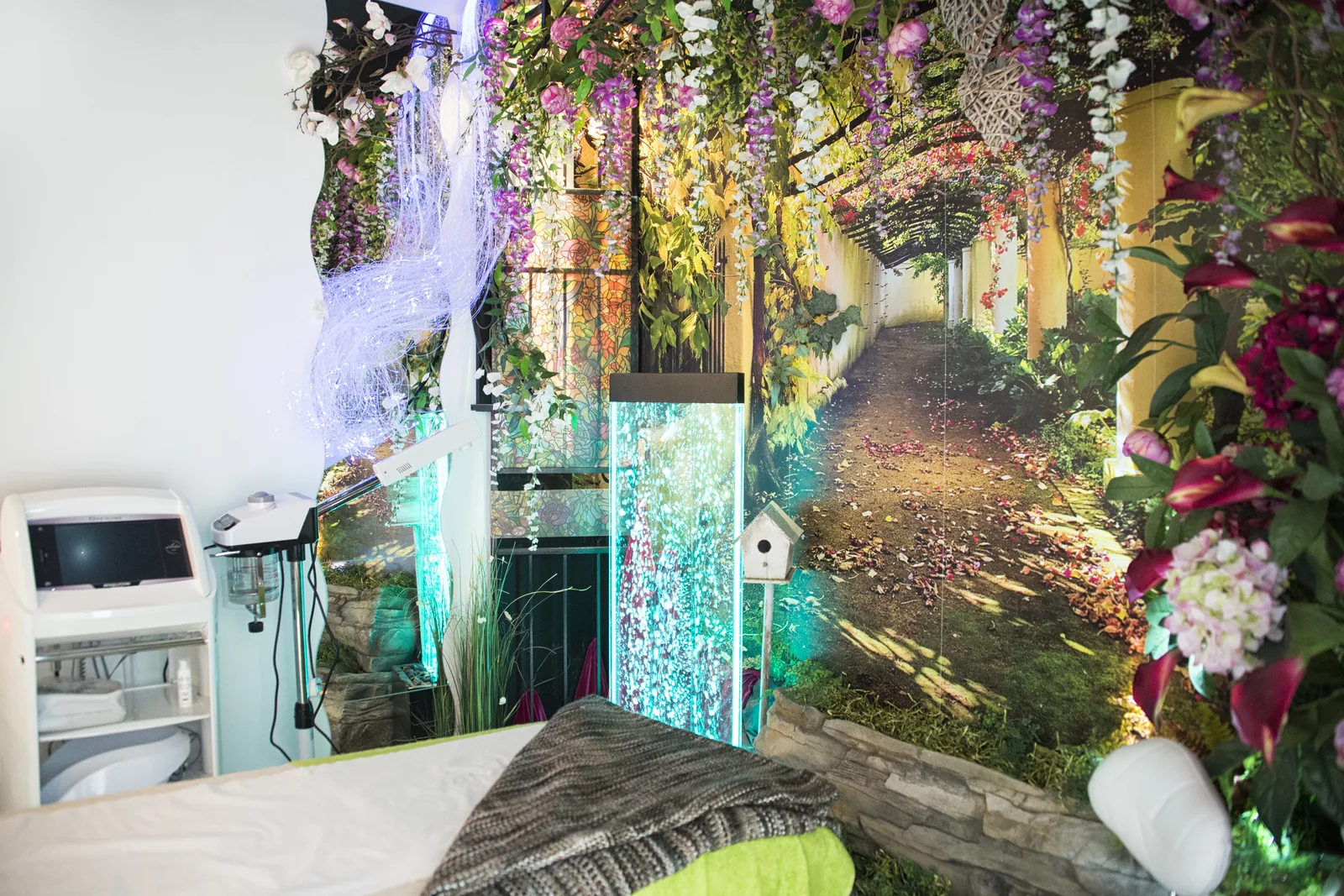
We did it across several of the clinics, each one a little different, but the idea was the same everywhere: the moment a client lay back on the bed, they were not in a clinic anymore. They were somewhere they wanted to be.
What happened next
Every client who had a facial in that room said a version of the same thing: they had never seen anything like it. And then they did two things I had spent years paying advertising agencies to make people do.
They took photos. And they brought friends.
On average, every single person who used one of those rooms referred three to five other people. Multiply that across a client base and the maths stops looking like decoration and starts looking like the best marketing budget I ever spent. Better still, it was the best kind of growth, because a referred client already trusts you before they walk through the door. You are not starting cold. You are starting warm.
Why a room out-performed advertising
Once I saw it work, the reasons were obvious:
- Emotion and memory. People do not remember the treatment. They remember how the place made them feel.
- It was shareable. The room was photographable, so it marketed itself on other people’s phones, for free.
- Nobody else had it. On a high street of identical white clinics, it was the one people described to their friends.
- Trust transferred. “You have to see this room” from a friend beats any advert I could buy.
- It never stopped working. Advertising dies the day you stop paying. The room kept earning referrals every day for years.
What I would do with £5,000 today
Here is the honest part. You do not need to spend £5,000, and you do not need chandeliers. The principle is what matters, not the price tag: give people one genuine reason to talk, and remove every bit of friction between them enjoying the moment and telling someone about it.
And there is a second half most clinics still leave to chance. The room creates the moment. Something has to capture it. Today the digital version of that themed room is your reviews, your Google profile and a follow-up that actually asks happy clients, while the memory is fresh, to leave a word and refer a friend. The experience makes people want to talk. A simple system makes sure that when they do, you hear about it and so does the next patient searching for you.
Frequently Asked Questions
Does a themed treatment room really drive referrals?
In our clinics it did, consistently. A treatment on its own is a service people forget; a treatment inside a room they have never seen anything like is an experience they tell people about. On average, every client who used one of our themed rooms referred three to five other people. The room gave them something to talk about, and word of mouth did the rest.
How much does a themed treatment room cost to set up?
We spent roughly £5,000 per room on the murals, lighting, a water feature, a star ceiling and the florals. You do not have to spend that. The number that matters is not the budget, it is whether the room gives a client one genuine reason to take a photo or tell a friend. A single feature wall and better lighting can do most of the work.
What if I cannot afford a full room refurbishment?
Start with one element in one room. A large scenic mural, warmer lighting, or a single striking feature will shift how the space feels far more than a whole white refit. The goal is one memorable moment, not a showroom. Do that in your most-used treatment room first and see whether people mention it.
Do referrals matter more than advertising for an aesthetic clinic?
They are usually cheaper and they convert better, because a referred client already trusts you before they arrive. Advertising stops the day you stop paying for it. A referral engine built on experience keeps working for years at no ongoing cost. Most clinics should get referrals working before they scale ad spend.
How do I capture the referrals a great experience creates?
This is where most clinics leak. The experience creates goodwill, but if nobody asks, most of it evaporates. Ask happy clients for a review and a referral while the memory is fresh, make it one tap to do, and follow up. The room creates the moment; a simple system captures and multiplies it.
The point
The room was never really about decoration. It was about giving people a reason to talk, and then being ready when they did. Spend the £5,000 or spend fifty, but do not let your best marketing asset, the room your happiest clients are already sitting in, do nothing at all.
Want me to look at yours?
Thirty minutes with the person who would build it. Tell me what you do and where the work comes from now, and I will tell you straight whether a rebuild would change anything. If it would not, I will say so.
Book a callNot ready for a call? Take the slow road. One short email every Tuesday from Surinder: one thing to check on your own website, phone line or reviews. Five minutes, no ads.