What Is a Drip Campaign? A Beginner's Walk-Through for Clinics
Drip campaigns turn a patient enquiry into a booking without anyone chasing it by hand. Here is what they are and a clinic sequence you can copy this week.
TL;DR
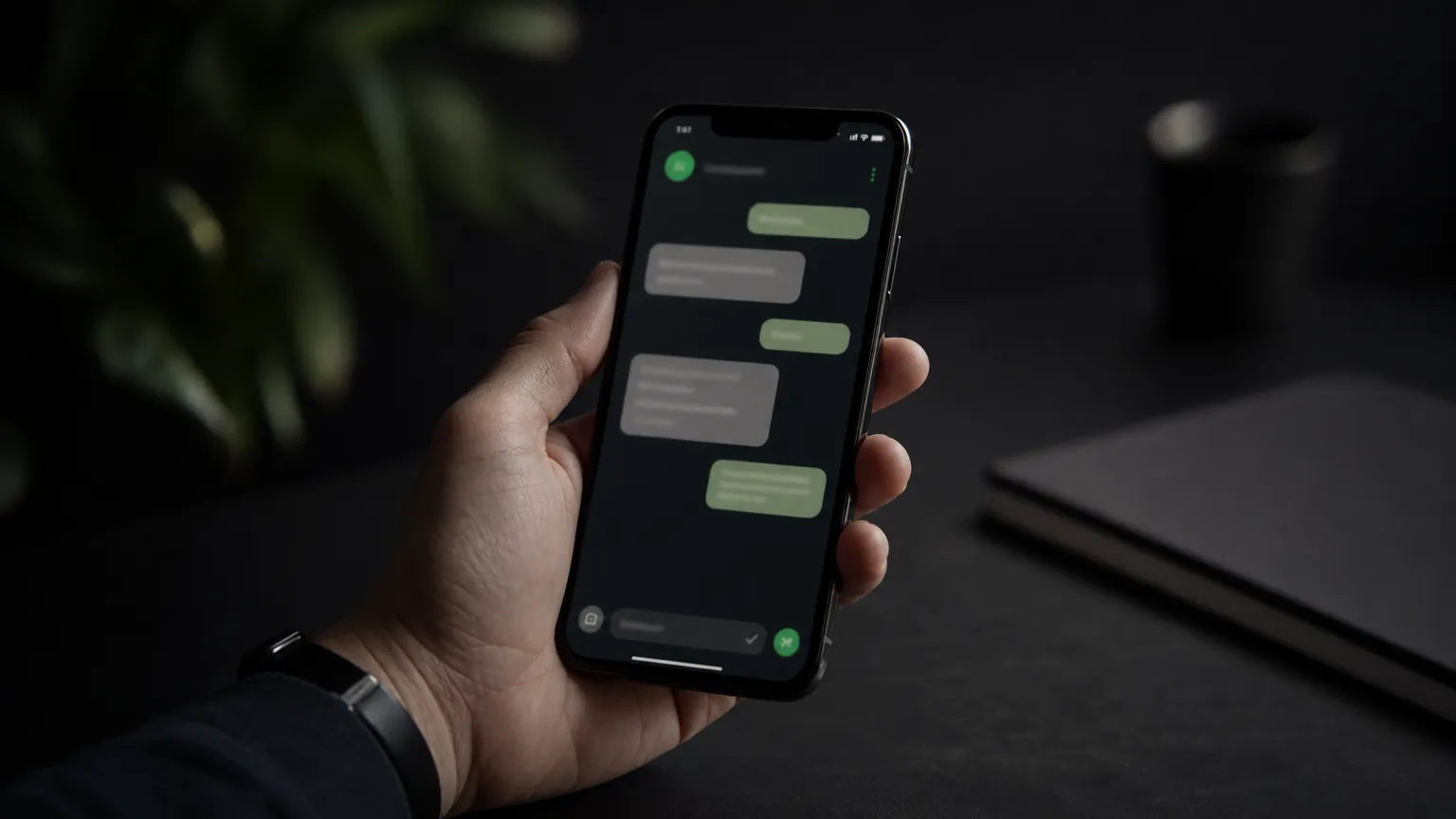
- A drip campaign is a set of pre-written messages that go out automatically after someone enquires, spaced over days, so your clinic stays in front of the patient without anyone chasing by hand.
- Most enquiries are lost to silence, not price. A patient who messages at 9pm and hears nothing until Tuesday has usually booked somewhere else by then.
- A good clinic drip is short and human: an instant acknowledgement, a helpful answer, some reassurance, a soft nudge to book, then a final check-in.
- SMS and WhatsApp get read within minutes, email carries the longer detail. Use them together, not one or the other.
- In the UK you need consent before you market by text or email, and aesthetics has its own advertising rules. Build both into the sequence from day one.
If you have ever watched a promising enquiry go quiet and never come back, this is the fix. So let me walk you through what a drip campaign actually is, what a clinic version looks like, and how to set one up without it eating your week.
What Is a Drip Campaign?
A drip campaign is a sequence of messages sent automatically over time after a trigger, such as someone filling in your enquiry form. The messages are written once, scheduled in order, and sent on their own. The patient gets a steady drip of contact instead of one reply and then silence.
The trigger is the important part. A patient enquires, that action starts the sequence, and each message goes out at a set gap: minutes, then hours, then days. You are not sitting there sending them. The system sends them for you, in your clinic’s voice, while you are in a treatment room.
That is the whole idea. Most automated messaging works better than one-off sends because the follow-up keeps happening when a busy team would have forgotten. Automated sequences tend to earn higher open and click rates than single broadcast emails for exactly that reason: timing and consistency.
Why Patient Enquiries Go Cold (And Why It Is Rarely Price)
Here is the thing most owners get wrong. They assume the enquiry that did not book was put off by price. In my experience it is almost never price. It is silence.
Most established clinics do not have a lead problem. They have a leak problem. The enquiries are already coming in through the phone, the website, Instagram and WhatsApp, but they slip out the side because nobody replied fast enough or followed up more than once.
Speed is the whole game early on. The classic study from Harvard Business Review found that firms responding within an hour were nearly seven times more likely to qualify a lead than those that waited longer, and the odds fall away fast after that. A patient deciding between two clinics rarely waits politely. They go with whoever feels switched on first.
I have seen this directly. One single-location clinic I worked with saw booked consultations climb by around 20 to 30 percent month on month once every enquiry got a structured response within five minutes, followed by a proper sequence rather than a single text. Nothing about the treatments or the prices changed. Only the follow-up did.
The flip side is the cost of doing nothing. Industry data on nurtured leads suggests most leads never convert when there is no follow-up at all, and the ones that are nurtured tend to be worth more. A drip campaign is simply the cheapest way to stop that leak.
What Makes a Clinic Drip Campaign Different From a Generic One?
A clinic drip is built around a high-consideration decision, not an impulse buy. Generic drip examples assume someone abandoned a shopping basket. A patient enquiring about a treatment is weighing safety, trust and whether your clinic is the right one, so the sequence has to do a different job.
That means the content order matters. You lead with reassurance and useful information, not a discount. You answer the questions a nervous first-timer actually has: what happens at the consultation, who will see them, how long it takes. You show proof through reviews and credentials. Only then do you nudge towards booking.
It also means the sequence has to know when to step back. The moment a patient asks something clinical or specific, a human takes over. A drip campaign is there to keep the conversation warm and qualify the basics, not to answer medical questions. That hand-off to a real person is what stops it feeling robotic.
What Does a Good Patient Enquiry Drip Campaign Look Like?
A good clinic drip is short, usually five or six messages over about two weeks, each with one clear job. Here is a sequence you can adapt the same afternoon.
| Message | When | Channel | Its one job |
|---|---|---|---|
| 1. Instant acknowledgement | Within 60 seconds | SMS or WhatsApp | Confirm you have the enquiry and a real person will be in touch. Kills the silence immediately. |
| 2. Helpful answer | 15 to 30 minutes later | WhatsApp or email | Answer the obvious question and set expectations for the consultation. |
| 3. Reassurance and proof | Day 1 | Reviews, qualifications, what to expect, before-and-after with consent. | |
| 4. Soft booking nudge | Day 3 | SMS or WhatsApp | Offer a callback time or a consultation slot in a low-pressure way. |
| 5. Answer the hesitation | Day 7 | Address the common worry that holds people back, honestly. | |
| 6. Final check-in | Day 14 | SMS | Ask if they want to keep the enquiry open or hear from you later. |
Notice what message one is not. It is not a sales pitch. It is proof that a human is on the case. That single instant reply does most of the heavy lifting, because it lands while the patient is still on your website comparing you to the clinic down the road.
After message six, you do not delete them. Anyone who did not book moves into a slower monthly nurture, a gentle value-first check-in that keeps you front of mind for when the timing is right. The fast sequence catches the ready buyers. The long nurture catches everyone else.
How Long Should a Drip Campaign Run?
The active enquiry drip should run about 10 to 14 days, then hand over to a slower long-term nurture. Two weeks is long enough to catch a patient who needed to think it over, but short enough that you are not pestering someone who has clearly decided no.
The early messages are tight together because that is when intent is highest. The later ones spread out. You go from minutes, to hours, to a day, to several days, matching the natural cooling of a decision. Crowding five messages into 48 hours feels desperate. Spacing them sensibly feels like a clinic that is organised and present.
If someone replies or books at any point, the sequence should stop for them at once. A patient who has already booked getting a “still thinking about it?” text is the fastest way to look like you are not paying attention.
Which Channels Should a Clinic Drip Across?
Use SMS and WhatsApp for speed and email for depth, because they do different jobs. Texts get seen, email carries the detail. A clinic drip that only uses one channel is leaving the other half of the effect on the table.
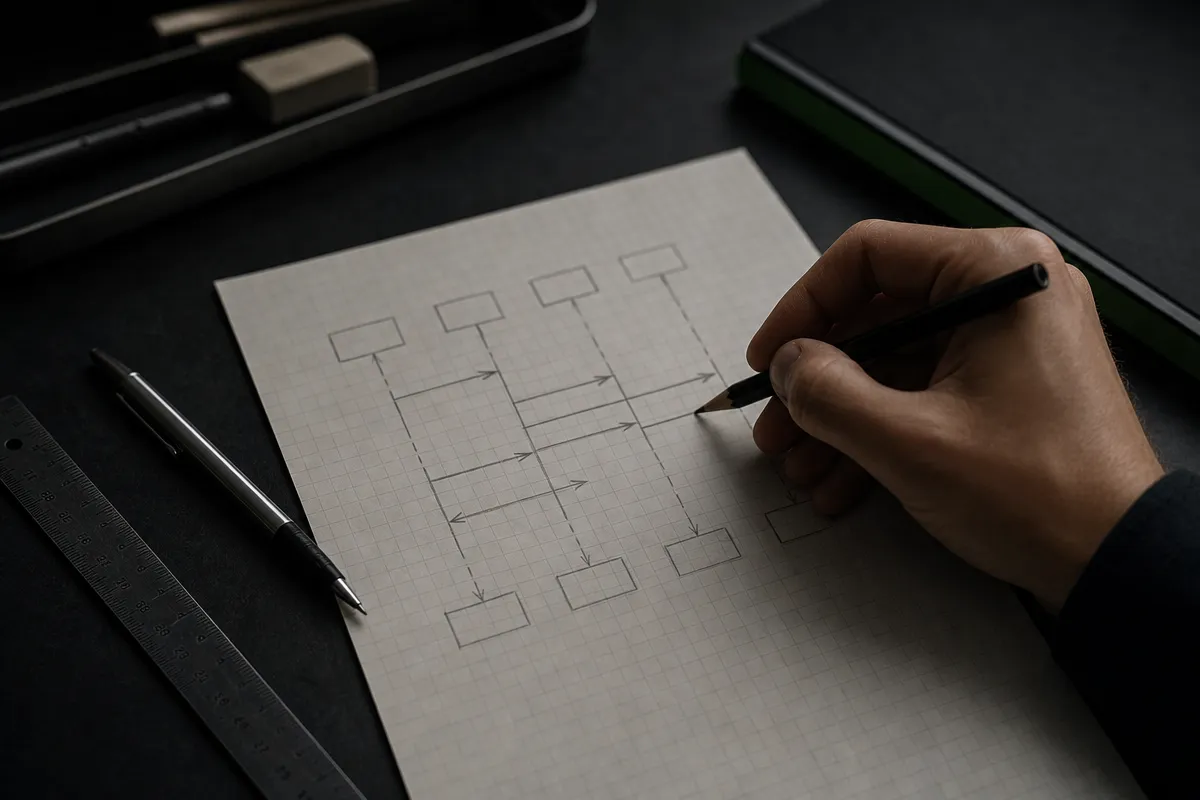
The numbers explain why. Text messages are typically read within minutes of arriving, which is exactly what you want for the instant acknowledgement and the booking nudge. Email is slower and quieter, with email open rates sitting roughly in the 30s of percent depending on the sector, but it is the right place for reviews, photos and the longer reassurance a treatment decision needs. Open-rate benchmarks by industry vary a lot, so treat them as a guide, not a promise.
WhatsApp sits in the middle and is often where aesthetics patients already are. It is the natural home for a back-and-forth, for sending a treatment photo, and for the moment a human steps in. The point is not to pick a favourite channel. It is to put the right message on the channel that fits its job.
What About GDPR and the Rules on Marketing Messages?
You need a lawful basis to send marketing texts and emails, and in aesthetics you also have advertising rules to follow, so build both in before you switch anything on. This part is not optional and it is genuinely easy to get right once you know the lines.

On data, the UK rules under PECR generally mean you need clear consent before marketing to an individual by text or email, with a straightforward way to opt out in every message. There is a limited soft opt-in for people who have already enquired or bought from you, but the safe habit is to ask at the point of enquiry and keep a record. Resoclinx is a capture and follow-up layer, so consent and opt-out handling should be set up as part of the build, not bolted on later.
On the wording itself, aesthetics has its own advertising code. Prescription-only treatments like Botox cannot be advertised to the public at all, even by implication, so they have no place in a drip message. Wider guidance on cosmetic procedures means you must not glamorise treatments, imply they are risk-free, target under-18s, or use pressure tactics like a countdown offer. A calm, honest sequence is not just better practice, it keeps you on the right side of the rules.
How Do You Set One Up Without It Taking Over Your Week?
You write the six messages once, connect them to your enquiry form, and let the system send them, so the ongoing time cost is close to zero. The work is upfront and small. The payoff runs every day after that.
Start by writing the messages in your own voice, the way a good receptionist at your clinic would actually speak. Keep them short. Then decide the trigger and the timing, hook it to wherever enquiries land, and test it by sending yourself through the whole thing as if you were a patient.
This is securing every enquiry in practice: catch the enquiry, respond instantly, follow up without fail. A drip campaign is the follow-up half. The capture half is making sure every enquiry from phone, form, DM and WhatsApp actually reaches the sequence in the first place, which is where good lead capture earns its place.
If you would rather not build it yourself, this is exactly what our automated follow-up is for, sitting alongside an AI receptionist that handles the instant first reply and qualifies the basics before a human takes the booking. If you are not sure where your enquiries are leaking today, the Front Desk Rules are a good place to start.
The Honest Bottom Line
A drip campaign is not clever marketing. It is just refusing to let an enquiry go cold because someone was busy. For an aesthetic clinic, that is one of the highest-return things you can set up, because the leads are already arriving and most of the loss is happening after the first contact, not before it.
Write the six messages, respect the rules, and let the sequence do the chasing. Do that and the enquiry that used to vanish over the weekend becomes a consultation on Monday. That is the difference, and it is well within reach this week.
Want me to look at yours?
Thirty minutes with the person who would build it. Tell me what you do and where the work comes from now, and I will tell you straight whether a rebuild would change anything. If it would not, I will say so.
Book a callNot ready for a call? Take the slow road. One short email every Tuesday from Surinder: one thing to check on your own website, phone line or reviews. Five minutes, no ads.