
Appointment Reminders That Actually Stop No-Shows
One day-before reminder rarely moves the needle. Here is the timed, two-way appointment reminder sequence that stops no-shows for owner-led aesthetic clinics, and where it fits your systems.
TL;DR
- Most clinics send one appointment reminder the day before and stop there, which leaves too many gaps for a booking to quietly slip.
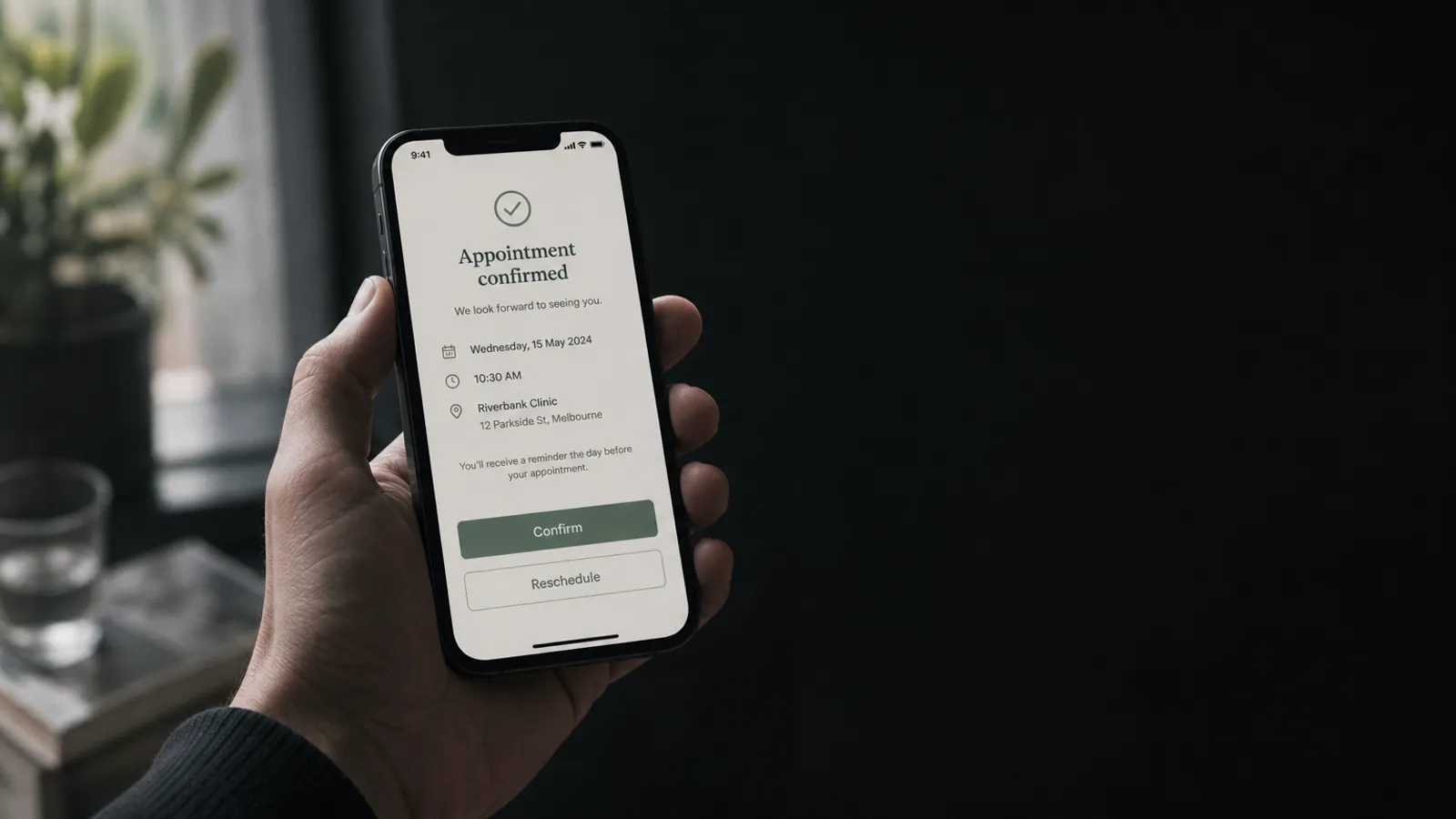
- The reminders that work run as a timed sequence: confirmation at booking, then 48 hours, 24 hours and 2 to 3 hours before, each with a one-tap confirm or reschedule.
- Two-way matters more than message count. If a patient can move a slot without calling the clinic, they reschedule instead of vanishing.
- Send across SMS and WhatsApp, the channels patients open in minutes, not email they read next week.
- Built properly, no-shows usually fall from the 15 to 20% range towards 8 to 12% within 60 to 90 days. No guarantees, just a system that removes the reasons people drop off.
A no-show is not a small admin annoyance. It is a treatment-room hour you cannot resell at short notice, and in an aesthetic clinic that hour was worth real money. Most clinics already send appointment reminders, so the gap is rarely effort. The trouble is they send one reminder, the day before, then wonder why the no-show rate barely moves.
This is an operator playbook, not a feature list. I will walk through why patients miss slots, what a single reminder gets wrong, and the exact reminder cadence that pulls the number down. The goal is not to nag people. It is to remove every reason a booking quietly evaporates.
Why Do Patients Miss Appointments in the First Place?
Most no-shows are not rudeness, they are friction and forgetting. A patient books three weeks out, life moves on, and by the time the day arrives the appointment has dropped out of their head or clashed with something else. If changing the slot means phoning the clinic during opening hours, plenty of people just do not show instead.
That is the pattern behind the numbers. Curogram puts the average no-show rate across specialties at 5 to 8%, but notes some clinics run far higher, with primary care often sitting in the 18 to 20% range. Aesthetic clinics carry their own version of this: high-value bookings, long lead times and a patient who can change their mind quietly. The reminder system is what closes that gap, or fails to.
What Do No-Shows Actually Cost an Aesthetic Clinic?
A no-show costs you the full value of the slot, because you rarely fill it at short notice. If a Saturday afternoon hydrafacial walks, that is not a small gap in the diary, it is revenue you do not get back.
The scale is easy to underestimate. In the US, Curogram estimates the average cost of a single missed appointment at around $200. In the UK, the NHS values every missed hospital appointment at £160, and one regional ICB recently put its own missed GP appointments at £9.25m a year. A private clinic feels every empty chair more sharply than that, because the slot was sold treatment time, not a free booking.
Some clinics reach for a no-show fee, and around 42% of medical groups now use one. A small deposit at booking has its place. On its own though, it punishes the symptom. The bigger win is making sure the patient never forgets and can always reschedule without friction.
Why One Appointment Reminder Is Not Enough
One reminder leaves one chance to be seen, and people miss it. A single message the day before assumes the patient is free to act the moment it lands. Many are not, so it gets glanced at and forgotten.
The research backs spacing reminders out. A randomised study of targeted text reminders found that sending one extra message to high-risk visits cut no-shows by around 7% in primary care and 11% in mental health, on top of the standard reminder. In UK general practice, a structured programme in East London reduced missed appointments by changing the whole reminder and booking process, not by sending a single nudge. The pattern is consistent: a sequence beats a solo reminder.
The Reminder Cadence That Actually Works
Here is the cadence I build for clinics, and it is the part most people get wrong. It is a sequence, with a confirm or reschedule option at every step, so the patient never has to ring back to change anything.
- Confirmation at the moment of booking, so the appointment is real in the patient’s phone straight away.
- A reminder 48 hours before, far enough out that there is still time to move the slot if life has changed.
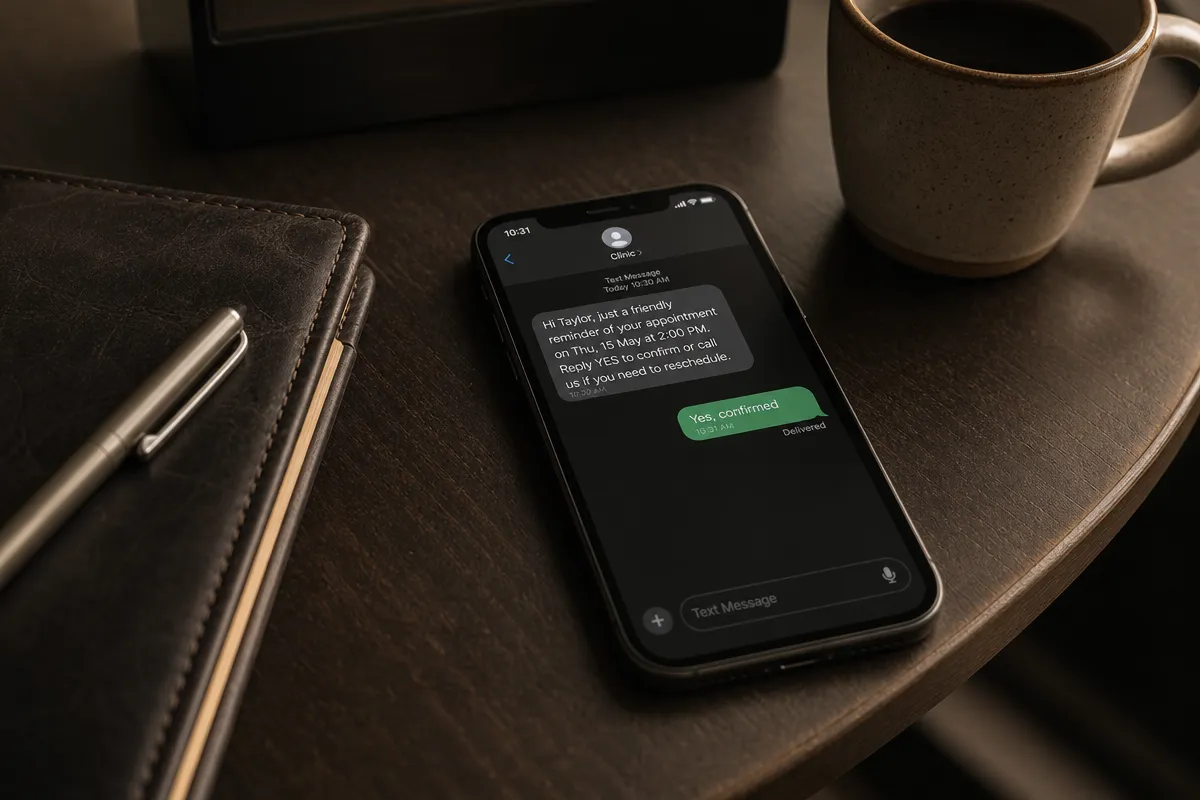
- A confirmation request 24 hours before, asking for a simple yes or a reschedule.
- A final reminder 2 to 3 hours before, the catch-all for the people who simply forgot.
Behind that sit two more pieces: smart rebooking when someone cancels, and a live waitlist message that offers the freed slot to the next patient. Add a clear cancellation policy and a recovery flow for anyone who still does not show, and you have closed almost every gap. This is the same no-show structure we wire into automated follow-up rather than leaving it to memory.
What Makes a Reminder Easy to Act On?
A reminder works when the patient can confirm or reschedule in one tap, without phoning the clinic. The friction is the whole problem. If changing a slot needs a call during opening hours, people put it off and then ghost.
Two-way reminders fix that. The message asks for a reply, the patient confirms or picks a new time, and the diary updates without anyone at the front desk chasing it. That also feeds your numbers: speed of response is the same lever that wins enquiries, where replying inside 5 minutes makes a lead 21 times more likely to qualify. The same instinct applies to confirmations. Make it instant and effortless, and people actually do it.
SMS or WhatsApp: Which Channel for Appointment Reminders?
Use both, because the right channel is wherever that patient already reads their messages. SMS is near-universal and gets opened, with text open rates sitting around 98% and most messages read within minutes. Email, by contrast, often sits unread for hours or days.

WhatsApp earns its place too, especially in the UK where around 73% of users message on it daily and business messages are opened fast. For an aesthetic clinic it is often where patients already send treatment photos and ask about pricing, so a reminder there feels natural, not intrusive. The point is not to pick a favourite channel. It is to reach the patient where a reply takes seconds.
How Do You Handle Cancellations and Fill the Gap?
You treat a cancellation as a chance to rebook, not just an empty slot. When someone moves or cancels through a reminder, the system should offer them the next sensible time immediately, while the intent is still there.
The freed slot then goes to your waitlist. A short message to patients waiting for an earlier date, offering the gap that just opened, turns a cancellation into a filled chair on the same day. This is also where reminders connect to retention: a patient who keeps cancelling is a patient drifting away, and a gentle win-back flow keeps them on the books rather than lost. The cancellation is not the loss. Doing nothing after it is.
Where Appointment Reminder Software Fits Your Systems
Appointment reminder software is one piece of a front-of-house layer, not a standalone gadget. On its own, a reminder tool is another app for the team to check. Joined up, it becomes part of the system that runs without anyone babysitting it.
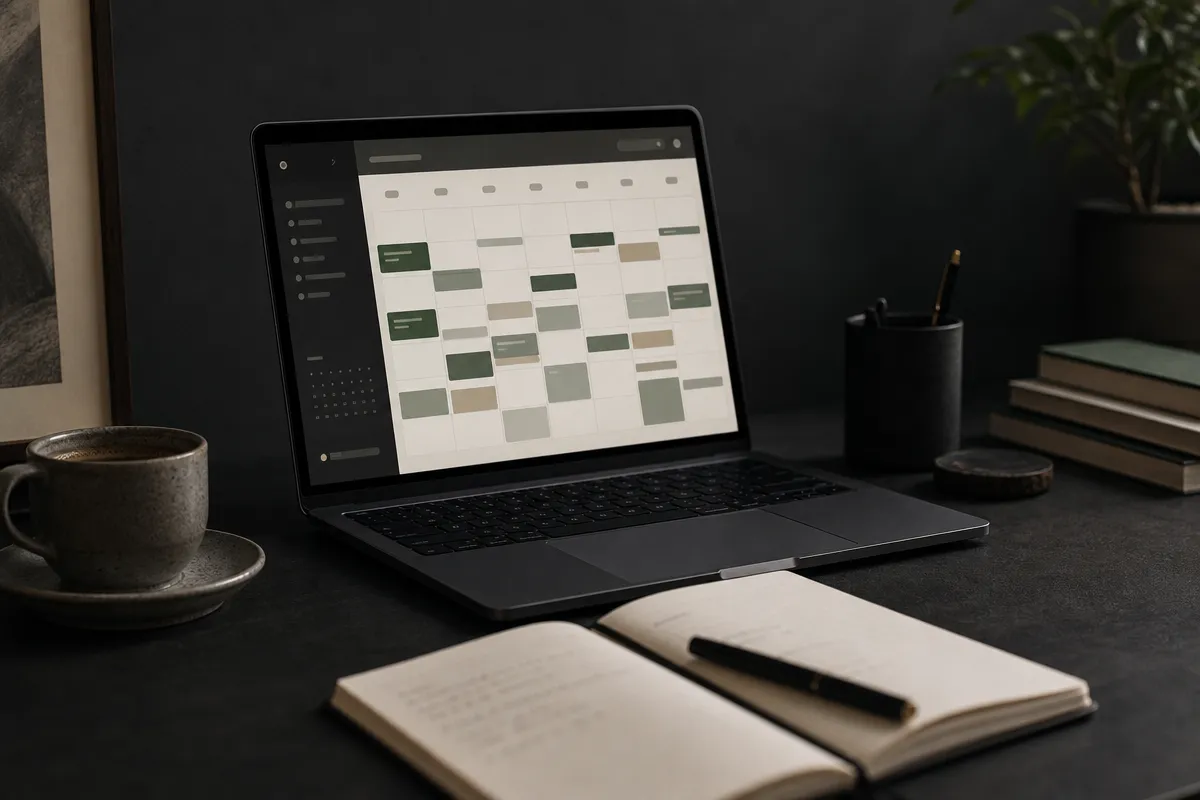
This is the whole case for automating the logistics pillar of how we think about clinic growth. The front desk should not spend its day phoning round to confirm bookings. The same layer that runs an AI receptionist on missed calls also runs the reminder sequence, the rebooking and the waitlist in the background. One thing to be clear about: the reminders sit in front of your booking software and prompt the patient, the system does not write directly into your clinic diary. Your team still owns the booking, the software just stops slots leaking.
What Results Can You Expect, and How Fast?
Done properly, no-shows usually move from the 15 to 20% range down towards 8 to 12% within 60 to 90 days. That is the realistic outcome I see when the full cadence is in place, not a guarantee, because every clinic starts from a different baseline and patient mix.
The first changes show up fast. Within the first couple of weeks, more patients confirm and reschedule instead of going silent, so the diary gets cleaner before the headline rate even moves. The deeper drop comes once the sequence, the rebooking and the waitlist have been running long enough to catch the patterns specific to your clinic.
Start With Where Your Bookings Leak
Before you change anything, find out where the slots are actually going. A no-show problem often hides a reminder problem, a booking-friction problem and a follow-up problem all at once. Our Front Desk Rules walk you through the ten fixes so you start with the biggest one instead of guessing. Get the cadence right, make every reminder two-way, and the empty chairs start to fill themselves.
Want me to look at yours?
Thirty minutes with the person who would build it. Tell me what you do and where the work comes from now, and I will tell you straight whether a rebuild would change anything. If it would not, I will say so.
Book a callNot ready for a call? Take the slow road. One short email every Tuesday from Surinder: one thing to check on your own website, phone line or reviews. Five minutes, no ads.