I saw it nine times. It looks like this.
The order it usually happens in
One. You find premises. The rent starts.
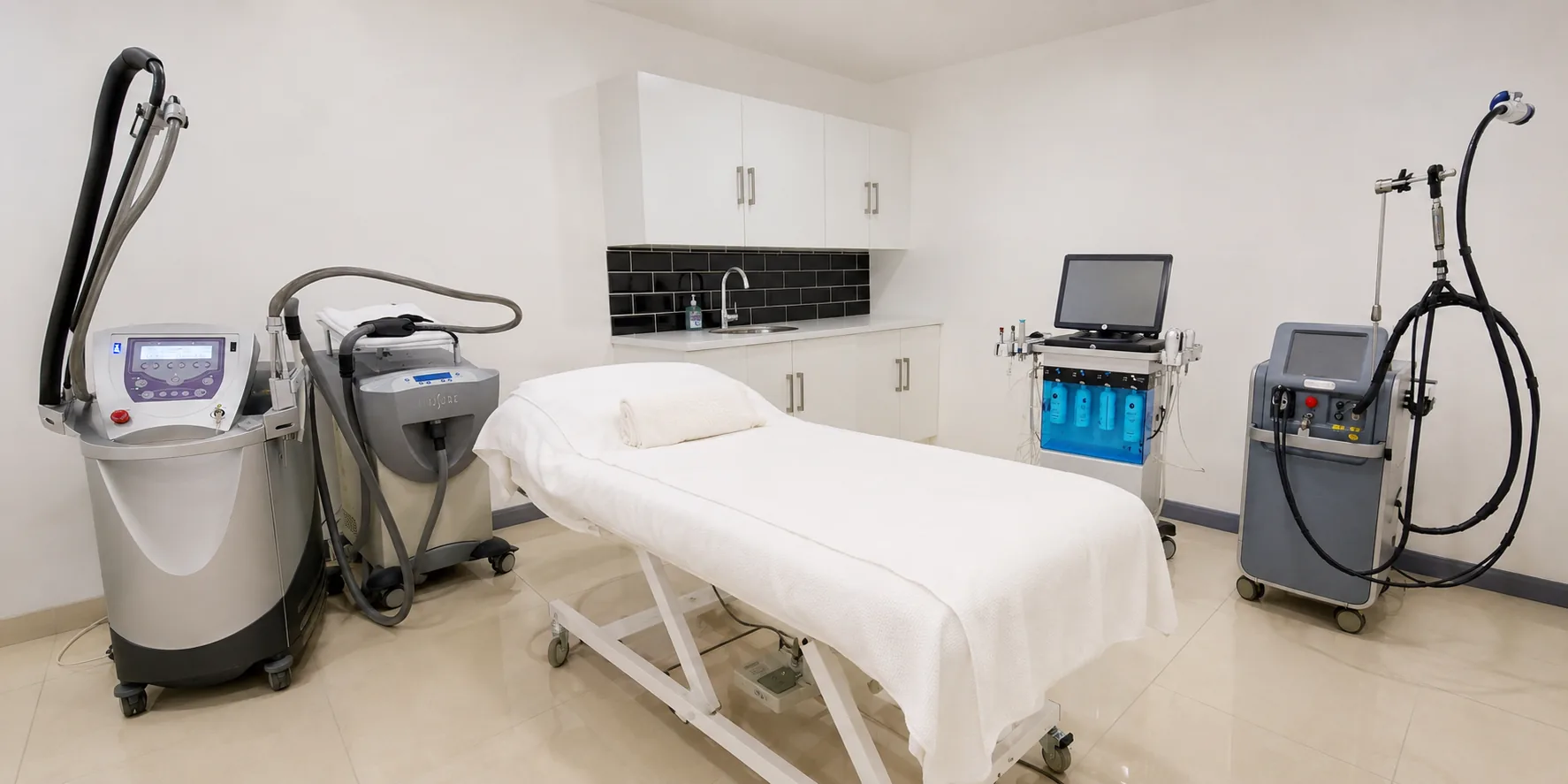
Two. You spend heavily on the fit-out, because the clinic has to look right, and in this industry it genuinely does.
Three. You buy the machines. Not one, several, because you want to offer a proper range from day one. Most of it is on asset finance, and the finance is arranged on the assumption that the turnover will cover the repayments.
Four. Whatever is left over goes on a website. By this point that is not much, so it is bought cheap from whoever answered the email.
Five. You open.
Six. Four or five months later you look up and wonder where everybody is.
Why the sums do not work
The assumption in step three is the fatal one. The turnover does not cover the repayments, because the repayments are nowhere near the only thing coming out.
Before a penny of that turnover reaches the finance company, you have paid:
- staff wages
- rent and business rates
- stock and consumables
- VAT
- corporation tax
By the time all of that has gone, there is nothing left for marketing. Which means the clinic that most needs to be found cannot afford to be found.
And then the trap closes. Because the obvious answer to "we are not busy enough" feels like "we should offer more treatments". More treatments need more machines, more product and more training. So the debt grows again, and the enquiries still do not.
I watched owners add treatment after treatment to a diary that was empty for a reason that had nothing to do with the treatment list.
The cost that starts after year one
Here is the part almost no new owner sees coming.
A machine comes with twelve months of warranty. After that, the warranty and servicing on a single laser hair removal machine can run anywhere from six to ten thousand pounds a year, and that is just for the servicing and the call-outs.
It does not cover the handpiece. The fibre optic inside it is the part that actually does the work, and it is the part they will not cover. Over the years I watched staff bend that fibre optic more than once. It snaps, and none of it is on the warranty.
So look at what you are carrying. The asset finance on the machine. Then six to ten thousand a year to keep it under warranty. And when the handpiece goes, that is yours to replace too, on top of everything else.
That is not an accident. Servicing and warranty is how the laser manufacturers make their money, on top of the price of the machine itself. The asset cost gets the machine through your door. The warranty is where they earn, every year, for as long as you own it.
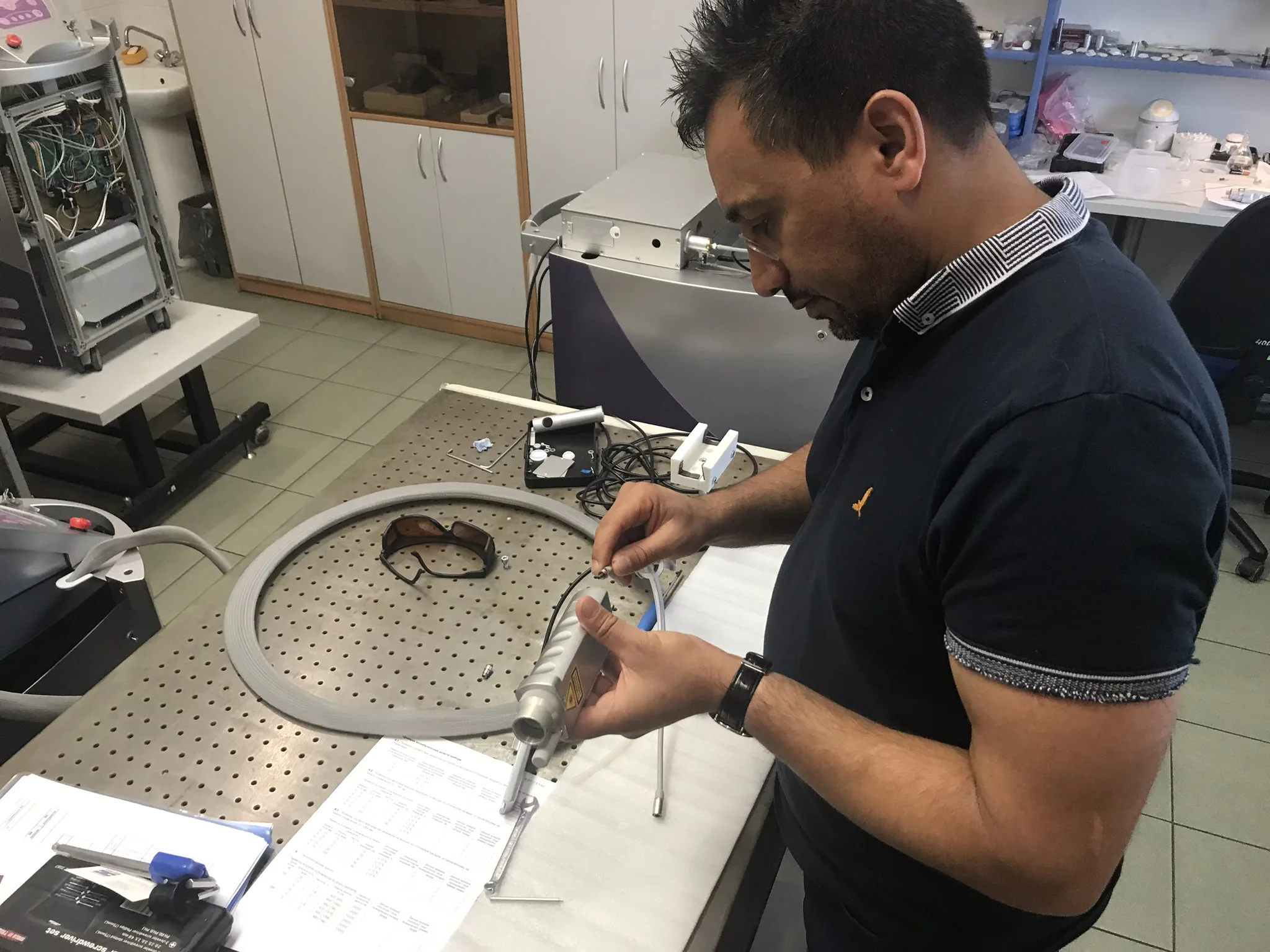
What I ended up doing was training as a laser engineer myself. Once I could service our own machines, a job the contract priced in the thousands took me about an hour a year, per location. That is money that stopped leaving the business every single year.
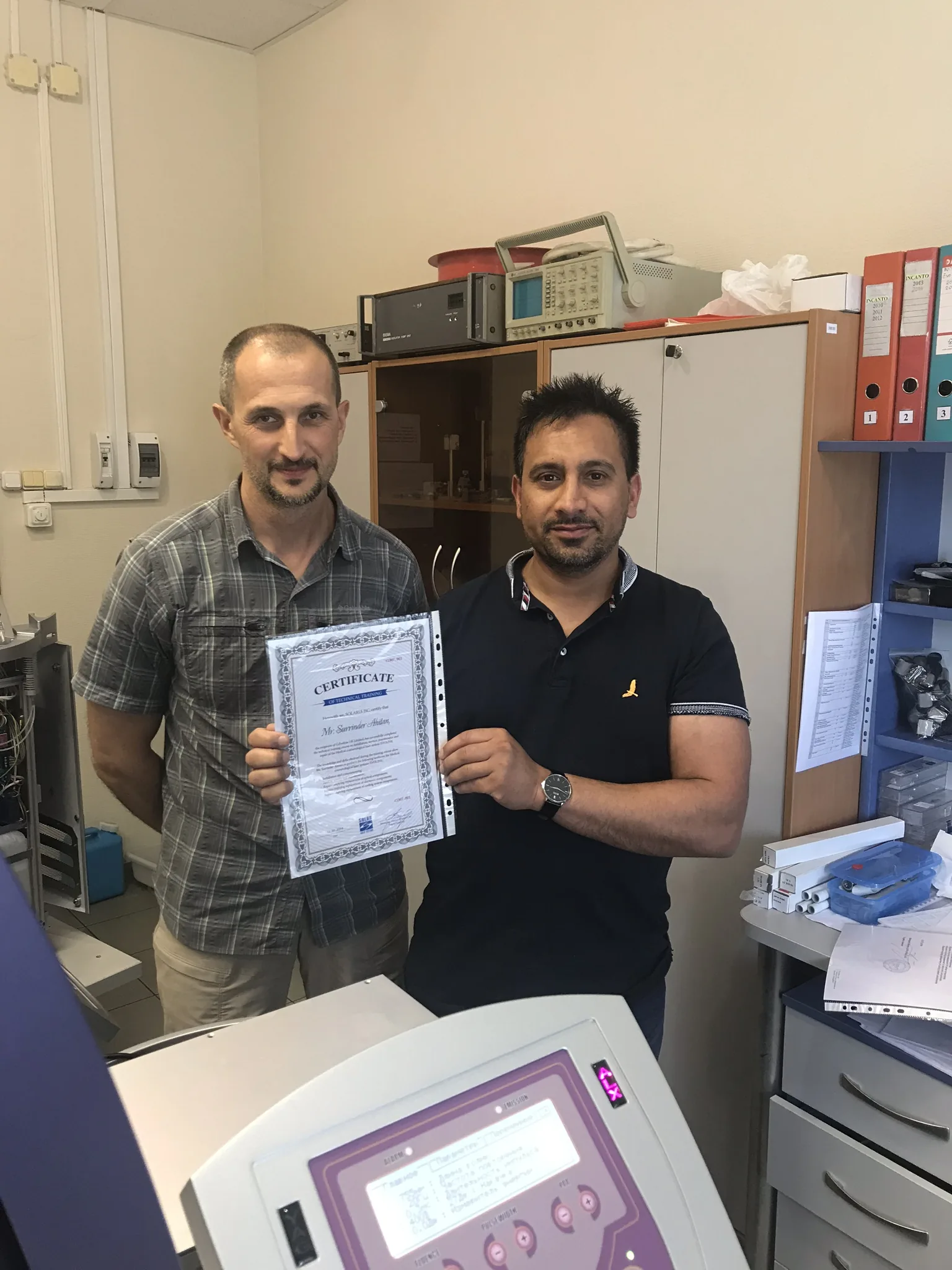
I am not saying every owner should go and do that. I am saying that when you buy the machine you are not buying one cost. You are signing up for the finance, the warranty, the servicing and the handpieces, for as long as it sits in your room, and almost nobody works that out before they sign.
The right order
Demand first. Kit second.
Buy the machine when the diary is already asking for it. When you are turning people away, or booking them four weeks out, or referring them elsewhere. That is the signal. Not a brochure, not a conference, and not what the clinic down the road has just bought.
Which means the order looks more like this:
- Premises, and be conservative
- A fit-out that is finished but not showy
- The website and the marketing, before the equipment
- One or two treatments you can do brilliantly
- Then machines, one at a time, each one justified by demand that already exists
It is slower. It is much less exciting. It is the version where you still own the business in three years.
The bit that is hardest to hear
Machines are tangible. You can see them, show them off, photograph them, and feel that you have built something.
Marketing is not tangible. It feels like money disappearing. So when the two compete, the machine wins, every time, in almost every clinic.
That instinct is the single most expensive thing in this industry, and it is completely understandable. I am not telling you it is stupid. I am telling you it is the thing I would undo first if I could go back.
What I cannot tell you
I cannot tell you it is recoverable in every case. Sometimes the finance is too far gone and the honest advice is to trade through it, sell the machine, or renegotiate the term before you spend anything on marketing at all.
If that is where you are, do not spend money on advertising this month. Fix the follow-up, which is free, and read the rest of this.